Why most back pain isn't scary
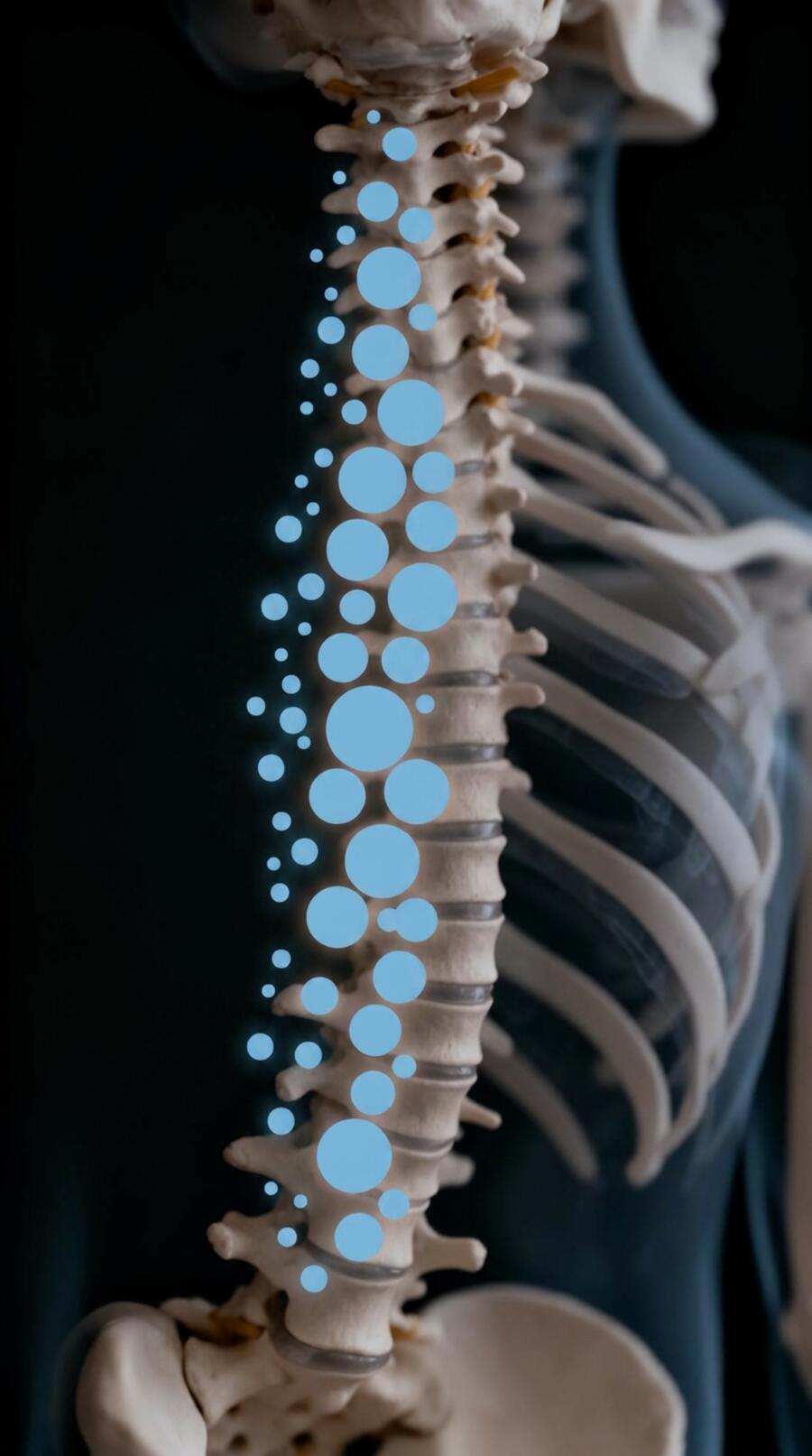
Backs are strong. They're built to bend, lift, twist, and recover. Most of the back pain we see is muscular or movement-related — not a sign of damage.
That said, pain is information. When it persists or starts limiting what you can do, it's worth a closer look from someone trained to assess movement.
Signs it may be time for PT and/or chiropractic
There's no single rule, but a few patterns often suggest a physical therapist can help:
- Pain that has lasted more than 1–2 weeks without clear improvement
- Stiffness that interrupts sleep, work, or workouts
- Pain that returns every time you try a familiar activity
- A history of back episodes that keep coming back
- Numbness, tingling, or pain that travels into the leg
What we look at
A comprehensive assessment performed by PT or chiropractic isn't just about the back. We look at how your hips move, how you sit and stand, how you load the spine during everyday tasks, and what daily habits might be feeding the issue.
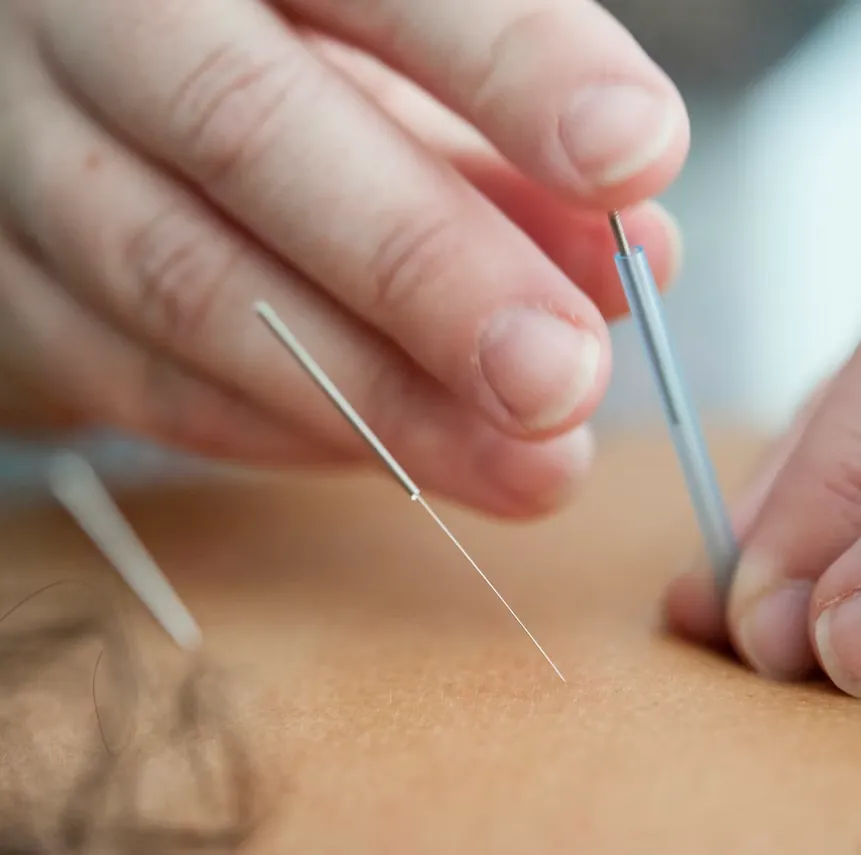
From there, care often includes hands-on treatment, dry needling when appropriate, movement coaching, and a small set of exercises to do between visits.
What you can do today
Gentle, frequent movement usually helps more than long stretches of rest. Walking, light mobility, and changing positions every 20–30 minutes are good starting points for most people. If something sharply increases pain, ease off and try a smaller version.
When to seek urgent care instead
Some symptoms need a medical provider, not a therapist. If you're experiencing loss of bowel or bladder control, sudden severe weakness in the legs, fever with back pain, or back pain after a serious accident, please contact your physician or seek emergency care.
“Back pain that lingers more than two weeks, or keeps interrupting normal life, is usually telling you something worth listening to.”
◆ Talk it through
Not sure where to start?
Request an appointment and Robb PT & Chiro can help guide your next step. Most patients are seen the same week.
Common questions
Do I need imaging before starting PT?
Often not. Many back conditions can be assessed and treated effectively without imaging. If we think it's needed, we'll help you coordinate with your physician.
Will treatment make me sore?
Some treatment can produce mild, short-lasting muscle soreness — similar to a workout. Lasting or sharp pain isn't the goal; we adjust as we go.
How many visits will I need?
Many back-pain plans run a handful of visits over a few weeks. We talk openly about progress at each step rather than locking you into a long schedule.
This article is for general education and does not replace personalized care. Speak with the clinic about what you're experiencing.